Type 2 diabetes is a long-term condition in which blood glucose stays too high because the body's cells respond poorly to insulin and the pancreas cannot make enough to compensate. It often causes no symptoms for years and is usually found on a blood test. It cannot be undone by any single product, but blood glucose can be brought into a safer range — and complications delayed or avoided — with weight management, physical activity, a consistent eating pattern and, for most people, medication.
What is type 2 diabetes?
Type 2 diabetes is a condition in which the level of glucose (sugar) in the blood stays higher than it should. It accounts for more than 90 percent of all diabetes. Unlike type 1 diabetes, where the body stops making insulin, type 2 develops gradually: the body still produces insulin, but cells stop responding to it well, and eventually the pancreas cannot produce enough to overcome that resistance.
It is common. About 40 million people in the United States — roughly one in eight — have diabetes, most of them type 2, and about one in four of them does not know it. It is most often diagnosed after 45, but it is now seen in adults in their twenties and thirties, and in adolescents.
What happens inside the body
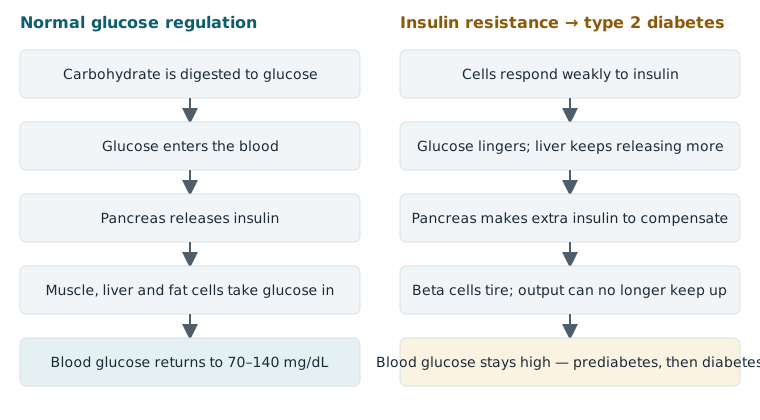
To understand what goes wrong, it helps to know how glucose is normally handled.
When you eat, carbohydrates are digested into glucose, which enters the bloodstream. The pancreas detects the rise and releases insulin. Insulin acts like a key: it signals muscle, liver and fat cells to open up and take glucose in, where it is used for energy or stored. Between meals, when glucose would otherwise fall, the liver releases stored glucose to keep the level steady. In a healthy adult, blood glucose stays within a fairly narrow band all day, roughly 70 to 140 mg/dL (3.9 to 7.8 mmol/L).
In type 2 diabetes, two things break down:
- Insulin resistance. Muscle, liver and fat cells respond less to insulin's signal. Glucose lingers in the blood instead of entering cells. The liver, no longer hearing insulin's "stop" signal clearly, keeps releasing glucose even after meals.
- Beta-cell decline. The insulin-producing beta cells in the pancreas work harder to compensate, and for years they succeed — this is the prediabetes stage. Over time they tire and fail to keep up. Glucose rises past the diabetes threshold.
The result is hyperglycemia: persistently high blood glucose. Glucose at these levels is not inert. It attaches to proteins throughout the body, damages the lining of small blood vessels, and over years injures the eyes, kidneys, nerves and heart.
What causes it
There is no single cause. Type 2 diabetes develops from a combination of genetic susceptibility and factors that promote insulin resistance:
- Excess body fat, particularly fat stored around the abdominal organs (visceral fat), which releases signals that interfere with insulin.
- Physical inactivity. Muscle is the largest consumer of glucose; inactive muscle takes up less.
- Diet pattern high in refined carbohydrates and sugar-sweetened drinks, and low in fibre.
- Sleep loss and chronic stress, both of which raise cortisol and reduce insulin sensitivity.
- Genetics. Having a parent or sibling with type 2 diabetes roughly doubles risk, and some ancestries carry higher risk at lower body weight.
Certain medicines (long-term corticosteroids, some antipsychotics) and conditions (polycystic ovary syndrome, previous gestational diabetes) also raise risk.
Who is at greater risk
Risk is higher if you:
- are over 45
- are overweight, especially with a waist circumference above 40 inches (men) or 35 inches (women)
- are physically active less than three times a week
- have a parent or sibling with type 2 diabetes
- have had gestational diabetes or given birth to a baby over 9 pounds
- have high blood pressure, low HDL cholesterol or high triglycerides
- have polycystic ovary syndrome
- have been told you have prediabetes
- are of African American, Hispanic or Latino, American Indian, Alaska Native, Asian American or Pacific Islander heritage
Screening is recommended for all adults from age 35, and earlier for anyone who is overweight with one or more additional risk factors.
Early symptoms
Early type 2 diabetes usually causes no symptoms at all. Glucose rises slowly, and the body adapts. Many people have the condition for several years before diagnosis, which is why screening matters.
When early signs do appear, they are easy to dismiss:
- feeling more tired than usual
- needing to urinate more often, especially at night
- being thirstier than usual
- blurred vision that comes and goes
- slow-healing cuts, or more frequent skin or urinary infections
Common symptoms
As glucose rises further, symptoms become clearer. The classic ones follow directly from the physiology: once blood glucose exceeds about 180 mg/dL (10 mmol/L), the kidneys can no longer reabsorb it all and glucose spills into the urine, pulling water with it.
- Frequent urination (polyuria), because of that water loss
- Excessive thirst (polydipsia), to replace it
- Increased hunger, because cells are short of fuel even while blood glucose is high
- Unintended weight loss, when the body starts breaking down fat and muscle for energy
- Fatigue
- Blurred vision, as glucose changes the shape of the lens
- Tingling or numbness in the feet or hands
- Recurrent infections, particularly thrush and skin infections
- Darkened, velvety skin in the neck folds or armpits (acanthosis nigricans), a sign of insulin resistance
See the symptom guide on high blood sugar symptoms for detail on each.
What blood sugar levels mean
Diagnosis rests on standardized blood tests. The thresholds below are those used by the American Diabetes Association and adopted widely.
| Test | Normal | Prediabetes | Diabetes |
|---|---|---|---|
| A1C | Below 5.7% | 5.7% – 6.4% | 6.5% or higher |
| Fasting plasma glucose | Below 100 mg/dL (5.6 mmol/L) | 100 – 125 mg/dL (5.6 – 6.9 mmol/L) | 126 mg/dL (7.0 mmol/L) or higher |
| 2-hour oral glucose tolerance test | Below 140 mg/dL (7.8 mmol/L) | 140 – 199 mg/dL (7.8 – 11.0 mmol/L) | 200 mg/dL (11.1 mmol/L) or higher |
| Random plasma glucose with symptoms | — | — | 200 mg/dL (11.1 mmol/L) or higher |
Unless symptoms are obvious, a diagnosis is normally confirmed with a second abnormal result, either a repeat of the same test or a different one.
How doctors diagnose it
Most cases are found one of three ways: a routine screening blood test, a test ordered because of symptoms, or an incidental finding when blood is drawn for another reason. Your doctor will usually ask about symptoms, family history, weight history, medications and pregnancy history, and check your blood pressure and weight.
A1C explained
The A1C test measures the percentage of haemoglobin in red blood cells that has glucose attached to it. Because red cells live about three months, A1C reflects average glucose over roughly that period. It does not require fasting and is the most common test for both diagnosis and monitoring. It can be misleading in people with anemia, certain haemoglobin variants, kidney failure or recent blood loss.
Fasting glucose explained
A fasting plasma glucose test measures blood glucose after at least eight hours without food or drink other than water. It is a snapshot of the body's baseline glucose handling, driven mostly by how much glucose the liver is releasing overnight. It is cheap and widely available but varies day to day.
Possible complications
Complications develop over years of elevated glucose, and their risk tracks closely with how high glucose has been and for how long. The landmark UK Prospective Diabetes Study showed that tighter glucose control substantially reduced small-vessel complications, and the benefit persisted for years afterwards.
Effects on the heart and circulation
Diabetes roughly doubles the risk of heart attack and stroke. High glucose accelerates atherosclerosis — the build-up of plaque in artery walls — and it usually travels with high blood pressure and abnormal cholesterol. Cardiovascular disease is the leading cause of death in people with type 2 diabetes, which is why blood pressure and cholesterol are managed as aggressively as glucose.
Effects on the kidneys
The kidneys filter blood through millions of tiny vessels. Years of high glucose damage these filters, first allowing protein to leak into the urine, then reducing filtering capacity. Diabetic kidney disease is the leading cause of kidney failure. It is monitored with a yearly urine albumin test and an eGFR blood test.
Effects on the eyes
Diabetic retinopathy — damage to the small vessels of the retina — is the commonest cause of new blindness in working-age adults. It usually has no symptoms until advanced, so a dilated eye exam is recommended at diagnosis and then at least every one to two years. High glucose also raises the risk of cataracts and glaucoma.
Effects on the nerves
About half of people with diabetes develop some nerve damage (neuropathy). The most common form affects the feet first: numbness, tingling, burning or loss of sensation. Because injuries go unnoticed, foot ulcers and, in severe cases, amputation can follow. Nerves controlling digestion, bladder, blood pressure and sexual function can also be affected, which is why erectile dysfunction is common in men with diabetes.
Other complications
Gum disease, skin infections, hearing impairment, sleep apnea, fatty liver disease and an increased risk of dementia are all more common in people with type 2 diabetes.
Treatment overview
Treatment has three goals: bring glucose into a target range, protect the heart, kidneys and eyes, and avoid low blood sugar (hypoglycemia) in the process. For most people it combines lifestyle change with medication, and the plan changes over time.
Typical targets are an A1C below 7% for most adults, with a less strict target for older people or those with other serious illnesses, and blood pressure below 130/80 mmHg. Your own targets should be set with your care team.
Lifestyle management
Lifestyle changes are not an alternative to medical care; they are the foundation of it. In the Diabetes Prevention Program, people with prediabetes who lost about 7% of body weight through diet and activity cut their risk of progressing to diabetes by 58%, more than metformin did. After diagnosis, the same changes lower glucose, reduce medication needs and protect the heart.
Diet considerations
No single "diabetes diet" is required. Patterns with good evidence include Mediterranean-style eating, lower-carbohydrate approaches and plant-forward diets. What they share:
- Consistent carbohydrate amounts across meals rather than large swings
- Fibre from vegetables, legumes, whole grains and fruit, which slows glucose absorption
- Limiting sugar-sweetened drinks and refined grains
- Protein and healthy fats at each meal, which blunt the glucose rise
- Portion control, because total energy intake drives weight
See foods that affect blood sugar for specifics.
Exercise
Muscle takes up glucose during and after activity without needing much insulin, so exercise lowers glucose directly. Guidelines recommend at least 150 minutes a week of moderate aerobic activity (brisk walking counts) spread over at least three days, plus resistance training two or three times a week. Even a ten-minute walk after meals measurably lowers the post-meal glucose peak. People on insulin or sulfonylureas should know how to recognize and treat low blood sugar during exercise.
Weight management
Losing 5–10% of body weight improves insulin sensitivity, lowers A1C and blood pressure, and can reduce or remove the need for some medications. Larger losses, particularly soon after diagnosis, can bring glucose back to the normal range in a proportion of people. Newer medications and bariatric surgery are options for people with obesity who have not succeeded with lifestyle change alone.
Sleep and stress
Short or poor sleep raises next-day glucose and appetite; sleep apnea, which is common in type 2 diabetes, worsens control and is treatable. Chronic stress raises cortisol, which raises glucose. Regular sleep timing, treatment of sleep apnea, and whatever reliably reduces stress for you are part of glucose management, not extras.
Medication overview
Medication choice depends on how high glucose is, body weight, heart and kidney health, cost and preference. The main classes:
- Metformin — the usual first medication. Reduces glucose released by the liver and improves insulin sensitivity. Inexpensive, weight-neutral, low risk of hypoglycemia.
- SGLT2 inhibitors (empagliflozin, dapagliflozin and others) — cause the kidneys to excrete glucose in urine. Also protect the heart and kidneys, independently of glucose.
- GLP-1 receptor agonists (semaglutide, liraglutide, dulaglutide) and the dual GIP/GLP-1 agonist tirzepatide — injectable (one oral form exists), increase insulin release when glucose is high, slow stomach emptying, reduce appetite. Produce substantial weight loss and heart protection.
- DPP-4 inhibitors (sitagliptin and others) — modest glucose lowering, well tolerated.
- Sulfonylureas (glipizide, gliclazide) — stimulate insulin release; effective and cheap but can cause hypoglycemia and weight gain.
- Thiazolidinediones (pioglitazone) — improve insulin sensitivity; can cause fluid retention.
- Insulin — needed when other treatments cannot achieve targets, or at diagnosis if glucose is very high.
Most people with type 2 diabetes also take a statin and, if blood pressure is raised, an ACE inhibitor or ARB, because heart and kidney protection matter as much as glucose.
When to contact a doctor
Arrange an appointment if you notice increased thirst or urination, unexplained weight loss, recurrent infections, tingling in the feet, or blurred vision — or if you have risk factors and have not been screened. If you already have diabetes, contact your care team for glucose readings persistently above your agreed range, new foot sores, vision changes, or frequent low blood sugar.
Seek urgent medical care for vomiting with an inability to keep fluids down, drowsiness or confusion, rapid deep breathing, breath that smells fruity, or a blood glucose reading above 300 mg/dL (16.7 mmol/L) that does not come down. These can signal diabetic ketoacidosis or hyperosmolar hyperglycemic state, both of which are emergencies.
Can supplements play a supportive role?
Some people also explore dietary supplements as part of a broader wellness routine. Supplements should not replace prescribed medication, medical monitoring, diet or other recommended care, and none has been shown to prevent the complications of diabetes.
A few ingredients have human research suggesting modest effects on glucose — berberine, chromium, cinnamon, alpha-lipoic acid and magnesium among them — though study quality varies and effects are far smaller than those of medication or weight loss. Several can interact with diabetes medicines and increase the risk of low blood sugar. The question page Can supplements lower blood sugar? reviews the evidence ingredient by ingredient. Tell your doctor or pharmacist about any supplement you take.
Relevant nutrients
Independently of supplements, two nutrient issues deserve attention in type 2 diabetes. Vitamin B12 levels can fall with long-term metformin use, and deficiency can mimic or worsen neuropathy, so periodic testing is recommended. Magnesium intake is often low, and low magnesium is associated with worse insulin resistance; food sources include leafy greens, nuts, seeds, legumes and whole grains.
Frequently asked questions
Is type 2 diabetes the same as type 1?
No. In type 1 diabetes the immune system destroys the insulin-producing cells, so the body makes almost no insulin and injections are needed from diagnosis. In type 2 the body still makes insulin but responds to it poorly. Type 1 usually starts in childhood or early adulthood; type 2 usually starts later, though it is increasingly seen in younger people.
Can type 2 diabetes go away?
Some people who lose a substantial amount of weight soon after diagnosis reach normal glucose levels without medication; clinicians call this remission. It is more likely in the first few years and with larger weight loss, and it can end if weight is regained. Remission is not the same as being cured, and it still calls for regular monitoring.
Do I have to give up sugar completely?
No. Total carbohydrate, portion size and eating pattern matter more than any single food. Sugary drinks are the clearest thing to cut, because they deliver a large glucose load quickly with nothing to slow it.
How often should blood sugar be checked?
That depends on your treatment. People on insulin or certain other medications check at home several times a day; people managed with lifestyle changes or metformin may not need home checks at all. A1C is usually tested every three to six months.
Is type 2 diabetes hereditary?
Family history raises risk substantially, but genes are not destiny. Weight, activity, sleep and diet strongly influence whether someone with a family history develops the condition and when.
References
- National Institute of Diabetes and Digestive and Kidney Diseases (NIDDK). Type 2 Diabetes (2023). https://www.niddk.nih.gov/health-information/diabetes/overview/what-is-diabetes/type-2-diabetes
- NIDDK. Diabetes Tests & Diagnosis (2023). https://www.niddk.nih.gov/health-information/diabetes/overview/tests-diagnosis
- NIDDK. Preventing Diabetes Problems (2023). https://www.niddk.nih.gov/health-information/diabetes/overview/preventing-problems
- NIDDK. Diabetic Neuropathy (2023). https://www.niddk.nih.gov/health-information/diabetes/overview/preventing-problems/nerve-damage-diabetic-neuropathies
- CDC. National Diabetes Statistics Report (updated January 2026, 2023 data) (2026). https://www.cdc.gov/diabetes/php/data-research/index.html
- American Diabetes Association, Diabetes Care 49(Suppl 1):S27–S49. 2. Diagnosis and Classification of Diabetes: Standards of Care in Diabetes—2026 (2026). PubMed PMID 41358893. https://diabetesjournals.org/care/article/49/Supplement_1/S27/163926/2-Diagnosis-and-Classification-of-Diabetes
- The Lancet. Intensive blood-glucose control with sulphonylureas or insulin compared with conventional treatment and risk of complications in patients with type 2 diabetes (UKPDS 33) (1998). PubMed PMID 9742976. https://pubmed.ncbi.nlm.nih.gov/9742976/
- New England Journal of Medicine. Reduction in the incidence of type 2 diabetes with lifestyle intervention or metformin (2002). PubMed PMID 11832527. https://pubmed.ncbi.nlm.nih.gov/11832527/
This page contains no product recommendations or affiliate links. It is general health information, not personal medical advice. Read our editorial policy and medical review policy.