SonoVive is a capsule sold for hearing and ear health whose label (web-sourced; reproductions vary) is a general nootropic stack: St. John's Wort ~250 mg, L-glutamine 150 mg, phosphatidylserine 125 mg, bacopa 120 mg, ginkgo 50 mg, N-acetyl L-carnitine 50 mg, vinpocetine 2 mg, huperzine-A 10 mcg. Nothing in it has hearing evidence; ginkgo — the formula's centerpiece — is specifically Cochrane-negative for tinnitus; bacopa and ginkgo sit below the doses even their memory trials used; and St. John's Wort meaningfully interacts with antidepressants, blood thinners, contraceptives and more. Evidence rating: 1.5/5. Product Fit Score: 3.1/5. Hearing loss and tinnitus have real pathways — testing, hearing aids, sound therapy — that $69 bottles quietly delay.
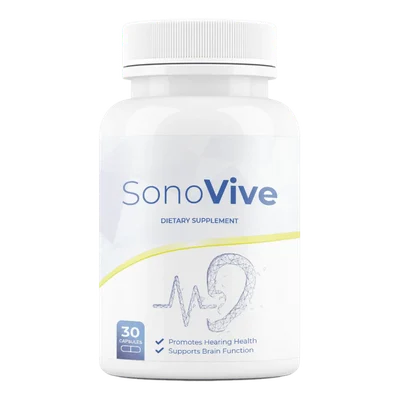
SonoVive
- Form
- capsule
- Price
- $69 (1 bottle)
- Guarantee
- 60-day money-back (stated by seller)
- Sold via
- clickbank
- Label amounts
- Label web-sourced; reproductions conflict on some amounts — treat doses as indicative only; not verified against a physical bottle
✓ 60-day refund window stated by seller — long enough to run an honest self-trial
Check current price on the seller's site
Affiliate link. Prices and guarantee as shown on the seller's page on 3 September 2026; they may have changed. Not independently verified beyond that page.
Evidence & product fit
| Product Fit factor | Score (out of 5) | Why |
|---|---|---|
| Formula completeness | 2.5 | Web label reproductions list per-ingredient amounts, which beats proprietary blends — but reproductions conflict on several numbers and versions, so doses are treated as indicative only. |
| Ease of use | 4.5 | The capsule format is generally straightforward, but clear serving directions were not available in the product facts we verified. |
| Guarantee & buying terms | 3.5 | 60-day ClickBank-standard window — the product's most reliable feature. |
| Price / value | 1.5 | ~$69/month for sub-trial doses of cheap nootropic ingredients is the aisle's standard bad bargain. |
| Category relevance | 3.5 | Parts of the named formula are aligned with hearing and tinnitus support positioning. Category relevance measures fit to the intended use; it does not mean the finished product has been clinically proven effective. |
Might suit you if…
- Honestly, almost no one for its stated purpose — the hearing claims have no supporting rows in any evidence table we grade
- If anything, a supplement-curious buyer wanting a mild general nootropic stack with a refund window — who takes no interacting medication and has already had real hearing care
Skip it if…
- Anyone on antidepressants, blood thinners, contraceptives, transplant or seizure medication — St. John's Wort's interaction list is the label's most important line
- Anyone with sudden hearing loss (an emergency — 72-hour treatment window), one-sided symptoms, or untested hearing decline
- Tinnitus sufferers hoping for silence — the evidence path is sound therapy, hearing aids and CBT-based habituation, not this label
The Evidence Rating reflects research on the finished product and/or named ingredients for the intended use. The Product Fit Score is a separate practical assessment of formula completeness, ease of use, guarantee/buying terms, price/value and category relevance. Neither score is a customer rating, and affiliate relationships do not determine either score. See the full scoring method.
What SonoVive is
SonoVive is a once-daily capsule sold through ClickBank at ~$69 a bottle with a 60-day guarantee, marketed for "hearing health" with the category's standard inner-ear animations and discovered-secret framing. Its label — web-sourced, with reproductions that disagree on some amounts and apparent formula versions, which our transparency score reflects — contains no ear-specific compound at all. It is, ingredient for ingredient, a budget cognitive stack: the same ginkgo-bacopa-phosphatidylserine-huperzine template graded on our memory supplements page, plus a pharmacologically serious dose of St. John's Wort.
The label, against the evidence
| Ingredient | Web-reported amount | The relevant verdict |
|---|---|---|
| St. John's Wort | ~250 mg | Antidepressant-adjacent herb with a major interaction list; zero hearing rationale |
| L-glutamine | 150 mg | Body makes grams daily; 150 mg is decorative |
| Phosphatidylserine | 125 mg | Memory file weak since the bovine-form era; no ear data |
| Bacopa | 120 mg | Half the dose of its own small memory trials |
| Ginkgo | 50 mg | A third of memory-trial doses — and Cochrane-negative for tinnitus at full doses |
| NALC | 50 mg | Sub-trial garnish |
| Vinpocetine | 2 mg | FDA has warned against use in pregnancy; trials used 15–30 mg |
| Huperzine-A | 10 mcg | Trials used 50–200 mcg |
Every row lands one of two ways: no hearing evidence, or negative hearing evidence — with the doses under-cutting even the ingredients' unrelated files. That is why this review scores below the oral and nail products we've covered: those at least aim plausible ingredients at their own organ.
The real cost
The $69 is the visible price. The quiet one is routing: sudden hearing loss has an emergency treatment window this funnel's audience doesn't know about; untreated hearing loss feeds isolation and dementia risk while hearing aids — the intervention with actual evidence — wait unfitted; and tinnitus sufferers cycling through bottles delay the habituation therapies that genuinely shrink the symptom. Our 2.3/5 gives full credit for the refund window and per-ingredient labeling, and prices everything else exactly as the evidence tables do.
Frequently asked questions
Does SonoVive help hearing loss or tinnitus?
No trial of the product exists, and the ingredient evidence runs the wrong way — Cochrane's review found ginkgo, the formula's lead botanical, no better than placebo for tinnitus, and none of the other ingredients has hearing-outcome trials at all. Age-related hearing loss is hair-cell loss, which no oral compound has been shown to affect; the interventions with evidence are on the hearing pages.
What's the concern with St. John's Wort?
It induces the liver enzymes that clear many drugs — SSRIs and other antidepressants (serotonin-syndrome risk), warfarin and DOACs, hormonal contraceptives (documented failures), immunosuppressants, some heart and seizure medications. A ~250 mg daily dose is pharmacologically meaningful, and it also raises sun sensitivity. Anyone medicated should treat this single line as the whole review.
The brain ingredients look familiar — do they at least help memory?
At these amounts, below even their own modest files: bacopa's small positive trials used ~300 mg standardized for 12 weeks (label: 120 mg, standardization unstated); ginkgo's memory trials used 120–240 mg (label: 50 mg) and its big prevention trial was negative anyway. The stack reads like a nootropic formula cost-reduced, then re-marketed toward ears.
What should someone with hearing symptoms actually do?
Sudden loss in one ear — emergency care within days, steroids have a treatment window. Gradual loss — a hearing test, then hearing aids, which also carry the field's best evidence for protecting cognition and easing tinnitus. Tinnitus — the audiologic pathway plus sound enrichment and CBT-based approaches. Every one of those outperforms this label, and most cost less than a bundle.
SonoVive — from $69 · 60-day seller refund window
Check current price on the seller's site Compare hearing and tinnitus supplements
Affiliate links. Our evaluation is unaffected — the criterion scores above explain the verdict either way.
References
- National Institute on Deafness and Other Communication Disorders. Tinnitus (2023). https://www.nidcd.nih.gov/health/tinnitus
- NCCIH. Ginkgo (2020). https://www.nccih.nih.gov/health/ginkgo
- U.S. Food and Drug Administration. Dietary Supplements (2024). https://www.fda.gov/food/dietary-supplements
Supplements have not been shown to restore lost hearing or cure tinnitus. Sudden hearing loss, one-sided hearing change, severe dizziness or neurologic symptoms need prompt medical evaluation; sudden sensorineural hearing loss can be time-sensitive. Review supplement ingredients for medication interactions before use.